


 Canada
 Global






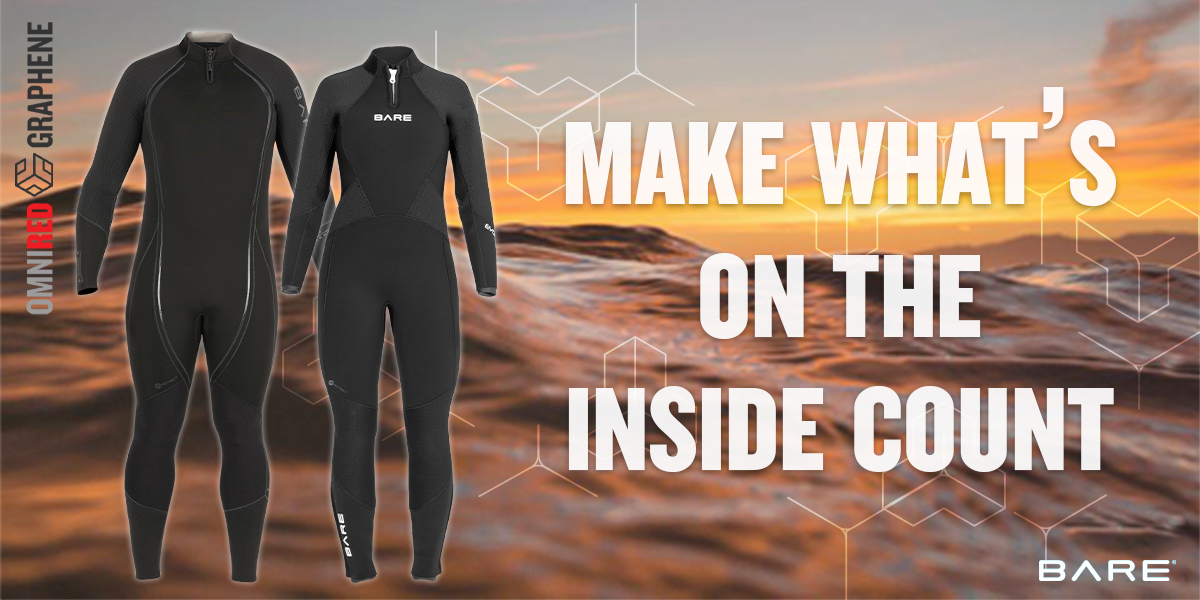
Graphene is a revolutionary material that has been making waves in the scuba community for its extraordinary properties. It is an incredibly strong and lightweight material made up of a one-atom-thick layer of carbon atoms arranged in a hexagonal lattice. Graphene has a unique ability to conduct heat, making it an excellent material for use in various applications. One such application is in wetsuits, particularly in the Reactive and Evoke wetsuits.
What is Graphene?
Before we dive into how graphene works in wetsuits, let’s take a closer look at the science behind this remarkable material. Graphene has some unique properties that make it an excellent conductor of heat. It is made up of a single layer of one atom thick carbon arranged in a hexagonal lattice, giving it a large surface area-to-volume ratio.
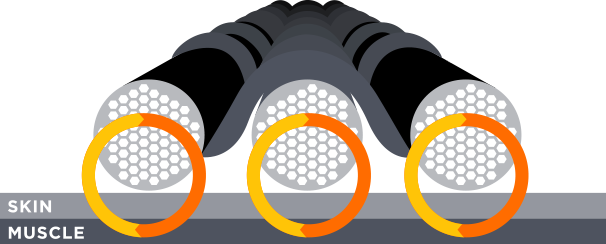
This large surface area-to-volume ratio means that graphene can efficiently transfer heat across its surface. Graphene’s carbon nanostructures are embedded in the Reactive and Evoke, converting your outbound body heat into thermal energy and reflecting it back to your body. It also has a high thermal conductivity, which means it can conduct heat better than most other materials. These properties make graphene an excellent material for use in applications where heat transfer is critical, such as in wetsuits.
How Graphine Works in Wetsuits
Wetsuits are designed to keep you warm in cold water conditions by trapping a layer of water between your skin and the suit. This layer of water is then heated by your body, providing a warm barrier between you and the cold water. Graphene technology takes this concept a step further by enhancing the wetsuit’s ability to retain heat.
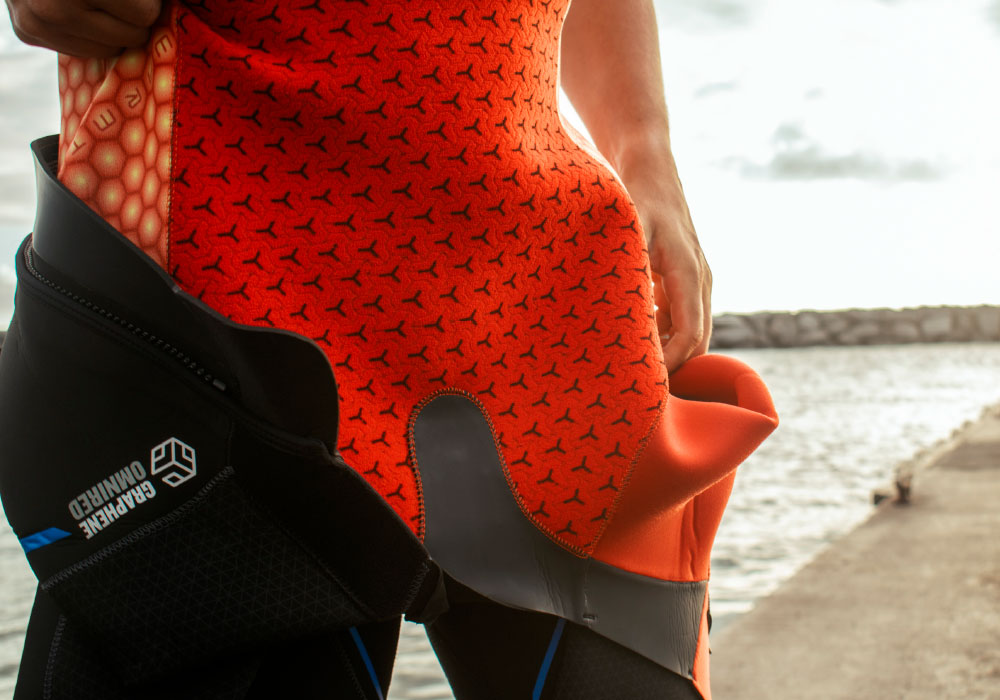
Graphene is used in wetsuits by incorporating small graphene particles into the interior laminated woven fabric. These graphene particles create a network of heat-conducting pathways that help to distribute heat throughout the suit. This network of pathways allows the suit to retain heat more efficiently and keep you warmer in cold water conditions.
In addition to its excellent thermal conductivity, graphene also has antibacterial properties, which can help to reduce odors in your wetsuit. It also has excellent durability, which means that wetsuits made with graphene technology are more resistant to wear and tear than traditional neoprene wetsuits.
Conclusion
In conclusion, graphene technology is an innovative approach to keeping you warm in cold water conditions. The Reactive and Evoke wetsuits from BARE are excellent examples of wetsuits that use graphene technology to enhance their thermal properties. By incorporating graphene particles into the interior laminated woven fabric, these wetsuits create a network of heat-conducting pathways that distribute heat more efficiently throughout the suit. Graphene technology is a game-changer for the wetsuit industry and is sure to revolutionize the way we stay warm in cold water conditions.


